
A date with Vadodara’s rich art
A date with Vadodara’s diverse art
Stay at the Sayaji Vadodara Hotel, right in the heart of the Gujarati city, to explore its rich heritage.
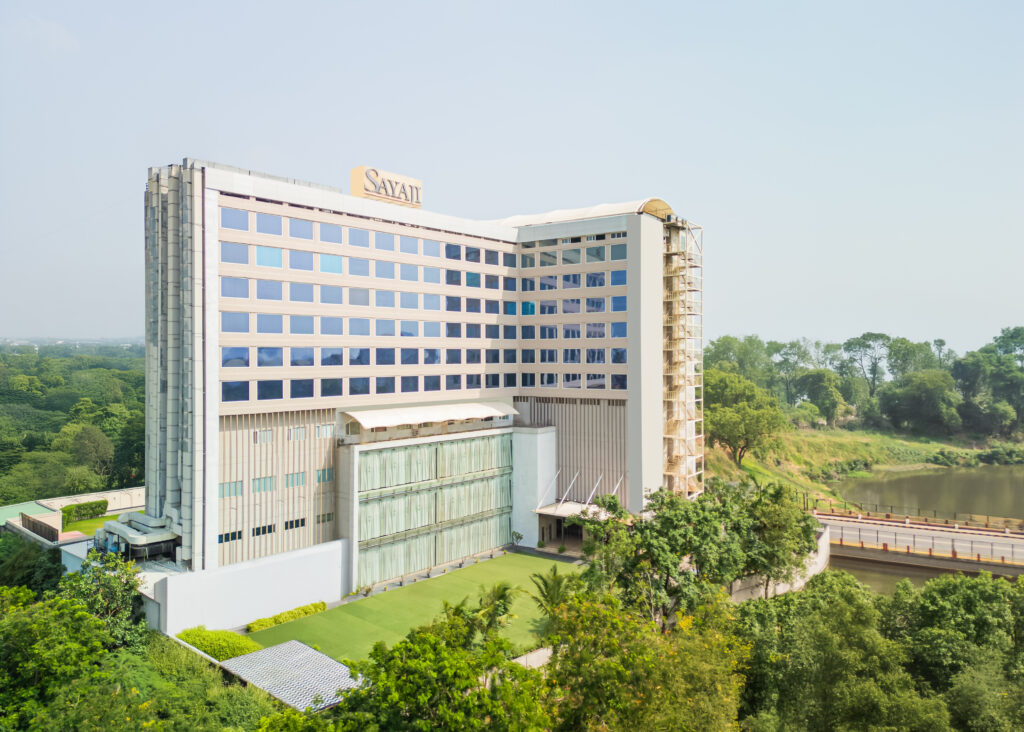
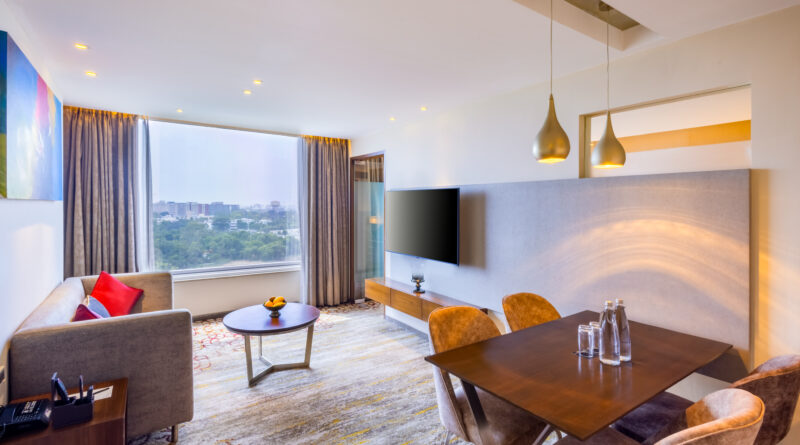
First things first, I have never felt so welcomed and special at a hotel as I was in Sayaji Vadodara, one of the oldest hotels in the city. I was greeted with aarti, a welcome note on its screens and my family’s photos, including one with my dog, Khal Dogo, in my room. That made me feel right at home.
It set the tone of what was to come – a warm, comfortable stay with good food and great services while I explored the city of the Gaekwads — museums and heritage structures, which are all just about 15 to 20 minutes away from Sayaji Hotel Vadodara.
Nestled in the heart of Gujarat, Vadodara is often called the cultural capital of the state — and for good reason. The city exudes a unique blend of regal history and artistic spirit. At the centre of this experience lies Sayaji Baug, a lush public garden that is more than just green space — it’s the cultural heartbeat of Vadodara.
Tambekar Wada: A rare gem
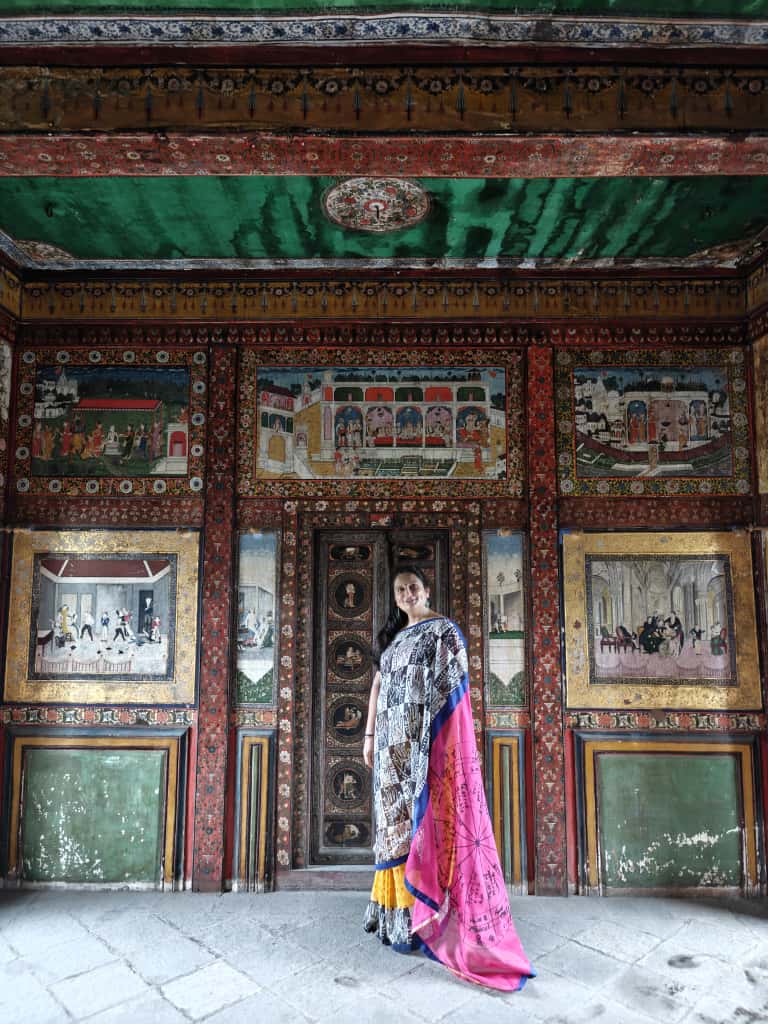
Located in the Raopura area of Vadodara (Gujarat), the Tambekar Wada is a striking example of Maratha‑style mansion architecture, layered with rich historical and artistic significance.
Built in the mid‑19th century, the Wada served as the residence of Bhau Tambekar, the Diwan (minister) of the erstwhile Baroda State under Ganpat Rao Gaekwad.
Constructed in the style of a Maratha mansion (known as a wada) — typically built around a central courtyard, with timber‑planked floors, verandahs, jali (lattice) wood‑carving and stone‑plinth bases.What really makes Tambekar Wada stand out are the murals and paintings that adorn its walls, ceilings and wooden door‑frames. These date from around 1870–1874 and include scenes from the Mahabharata and Ramayana, episodes from the life of Krishna, as well as war‐scenes (including Anglo‑Maratha encounters) and European subjects.
The technique is tempera on dry lime‐plaster, with water‑based pigments, and some details were even adorned with gold work.
The mansion has a front wing of three or four storeys (various sources differ). It is constructed on a raised stone plinth, with a wooden structural framework and shell‑lime plastered walls. The layout revolves around a central courtyard, with rooms opening off verandahs; carved wood doors, jali work, and ornate door‑frames add to its elegance.
The Indian Express
Current condition and visitor note
While the front part of the Wada is protected by the Archaeological Survey of India (ASI), the rear wing has suffered considerable neglect and decay. Roofs and galleries have collapsed, and portions of the structure are in a state of disrepair.
Visitors thus may find only parts of the building accessible (typically the first two floors of the front wing).
Tambekar Wada offers a rare window into a hybrid architectural and artistic culture: a Maratha residential layout set in Gujarat, expressed through high‑quality mural art that blends Indian epics, local traditions and colonial‑era influences. Its survival (though endangered) makes it a precious heritage asset for Vadodara and for the region’s architectural history.
Sayaji Baug: A Garden of Art and Memory
Built in 1879 by Maharaja Sayajirao Gaekwad III, Sayaji Baug (also known as Kamati Baug) spans over 100 acres along the banks of the Vishwamitri River. More than just a leisure spot, the garden is home to a zoo, a toy train, a flowering botanical garden, and most notably, the Baroda Museum & Picture Gallery.
The museum, designed in the Indo-Saracenic style, houses one of India’s most important regional art collections. It was inspired by the Victoria and Albert Museum in London and holds an eclectic array of treasures: Mughal miniatures, Tibetan thangkas, European oil paintings, and even an Egyptian mummy. Art lovers are drawn not only to the collection but also to the museum’s quiet charm — a place where the air still carries whispers of 19th-century intellectualism.
Maharaja Fateh Singh Museum: Royal Patronage on Display
A short drive from Sayaji Baug leads to the Luxmi Vilas Palace, the sprawling royal residence that remains one of the world’s grandest. Within its grounds lies the Maharaja Fateh Singh Museum, another artistic gem, once the school for the royal children.
Here, you’ll find a breathtaking collection of Raja Ravi Varma’s original paintings, many commissioned specifically for the Gaekwad family. European sculptures, portraits, and oriental art pieces round out the galleries, telling a story of a dynasty that saw itself as both Indian and cosmopolitan. The museum is a reminder of a time when Indian royalty were not just patrons of the arts but connoisseurs and collectors on the world stage.
Luxmi Vilas Palace: Where Architecture Becomes Art
No artistic journey in Vadodara is complete without walking through the halls of Laxmi Vilas Palace itself. Four times the size of Buckingham Palace, it remains a family residence but welcomes visitors to its grand Darbar Hall and armory collection. Mosaic floors, Venetian chandeliers, and stained-glass windows offer a stunning example of cross-cultural design sensibility — a physical embodiment of Indo-European aesthetics.
A Cultural Itinerary Worth Exploring
Vadodara may not always feature on India’s mainstream travel lists, but for the culturally curious, it offers an experience that is layered, authentic, and intimate. From the serenity of Sayaji Baug to the regal magnificence of Laxmi Vilas Palace, the city invites you to walk through its gardens and galleries with wonder — and to remember that great art is often found not just in canvases, but in the spaces that frame them.
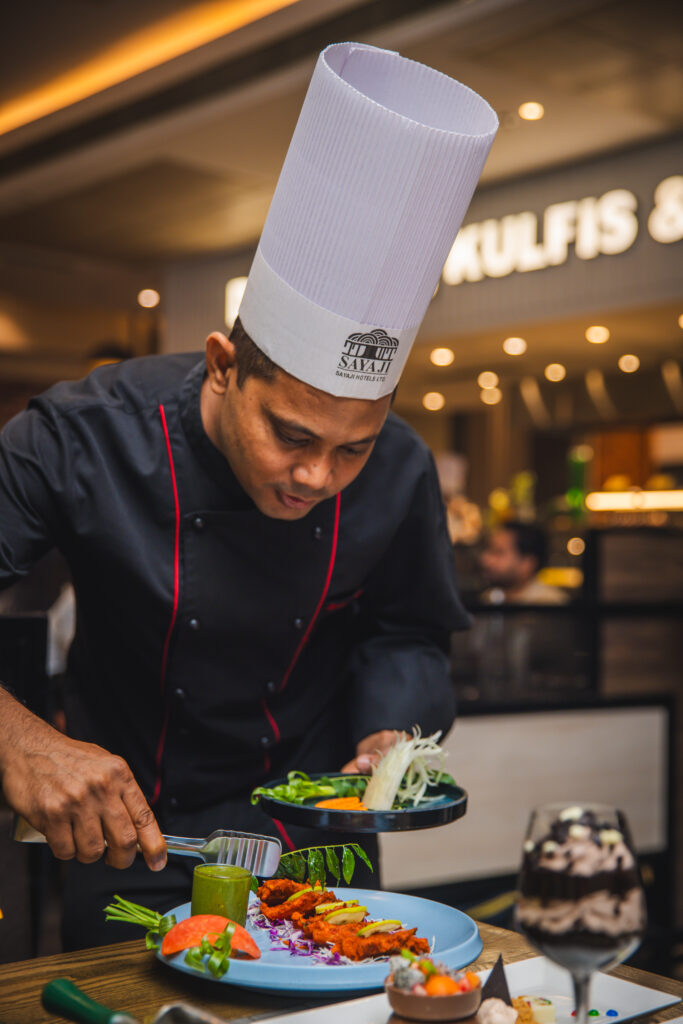
Plus, you get treated to great food like khamani, dhokla, chaat and Gujarati thaali and the lip-smacking food at the Kebabsville in Sayaji Hotel Vadodara. It’s the OG of grilled-food restaurants and serves a variety of vegetarian and non-vegetarian dishes on the grill, including pineapple, mushroom, lamb, chicken and more.